The Shapes of Knowledge
From spoken word to the web
Genesis
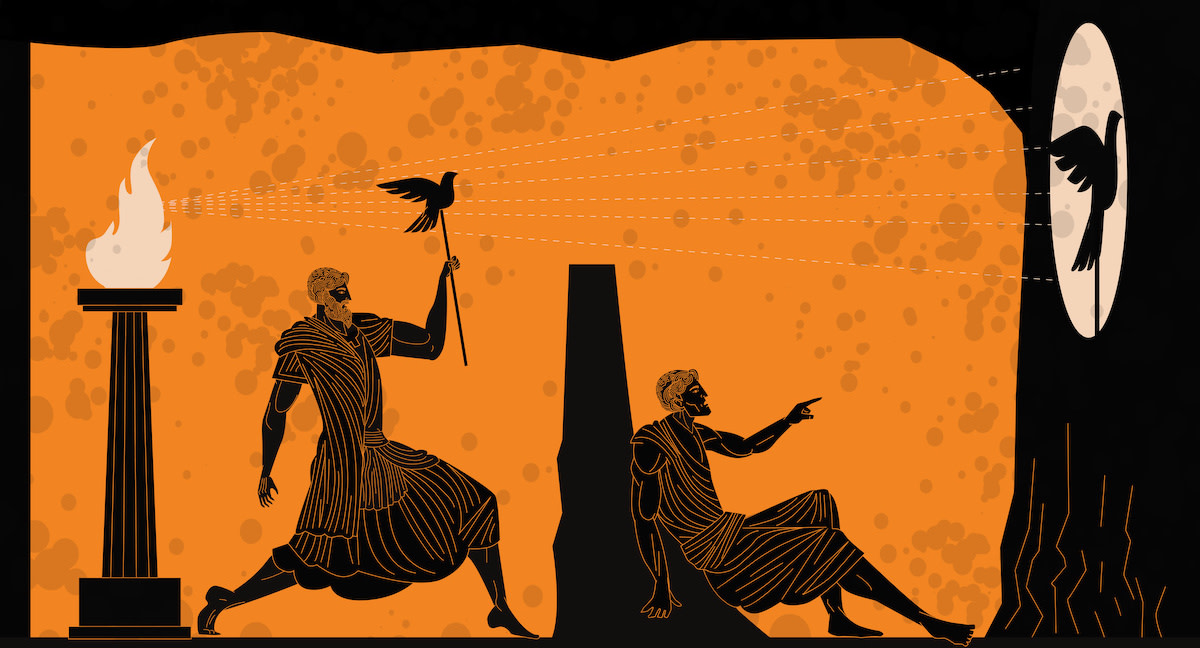
In the beginning was the word
Poems and stories. A teller and its listener. A master and its apprentice.
Knowledge was local. Speech was its medium. Inaccessible if you couldn't listen to someone who knew. Its fidelity was as fallible as the human mind.
Necessity is the mother of invention
The Written Text was born.
What Plato forgot to mention is that each solution creates newer problems.
Wait... How do we organise all these books now?
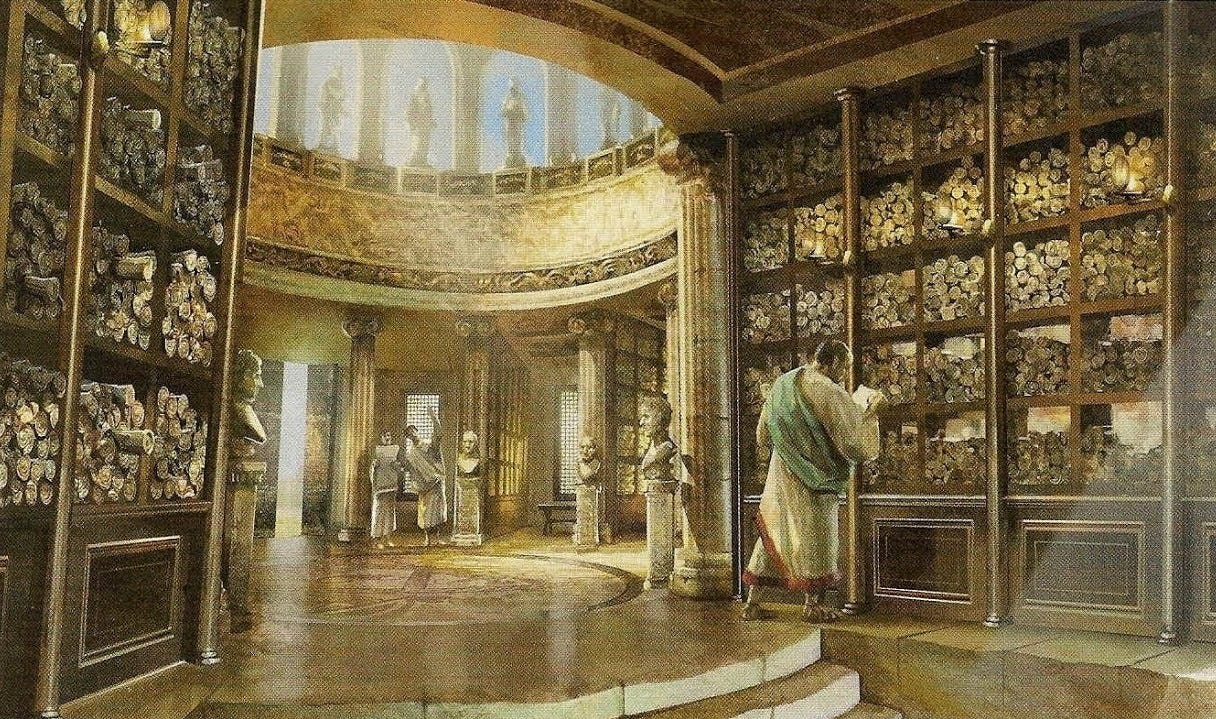
And we began grouping, labelling... But with books neatly organized in categories, knowledge is stranded, starved, becomes stale.
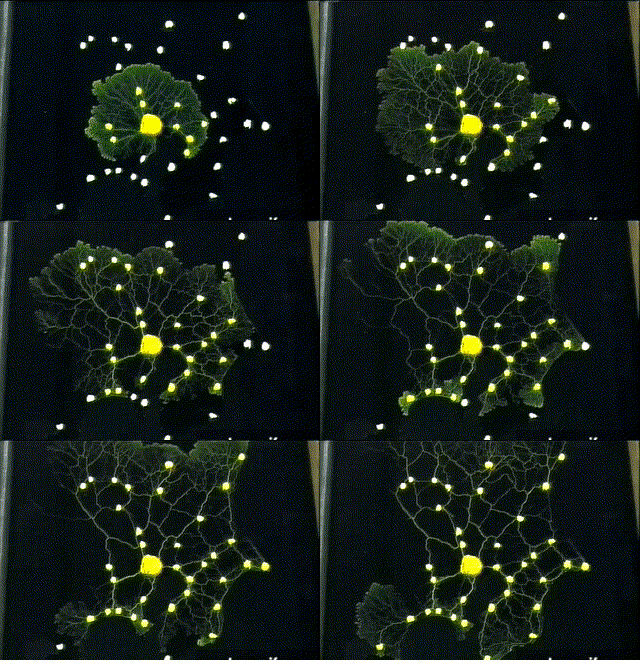
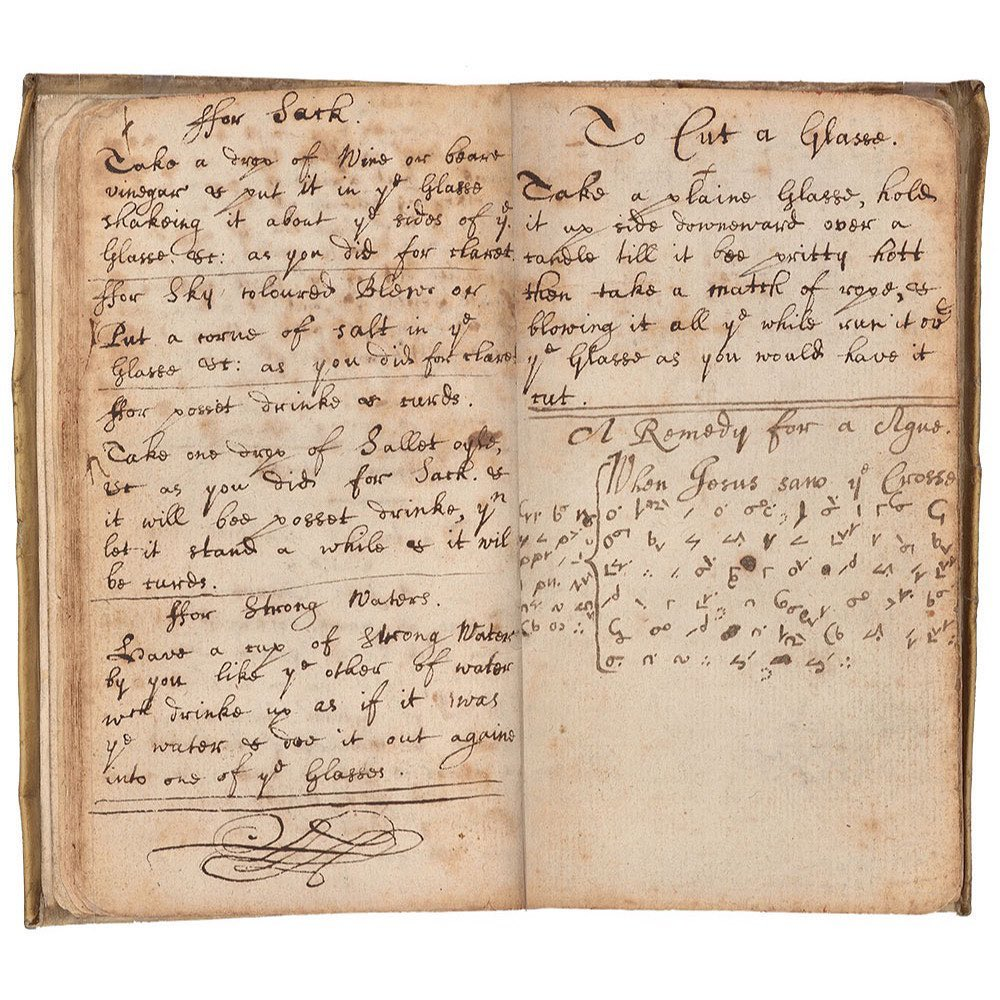
So, we began extracting, combining, and annotating knowledge from diverse sources, weaving webs of information with emergent practices such as the Commonplace Book.
Digital Redux
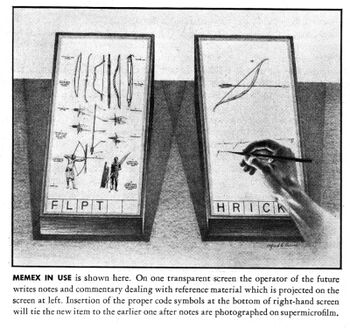
Thus science may implement the ways in which man produces, stores, and consults the record of the race.
In "As We May Think", 1945, Vannevar Bush imagined the memex, a personal library with associative trails between documents, mimicking the human mind but gifted with permanent recollection.
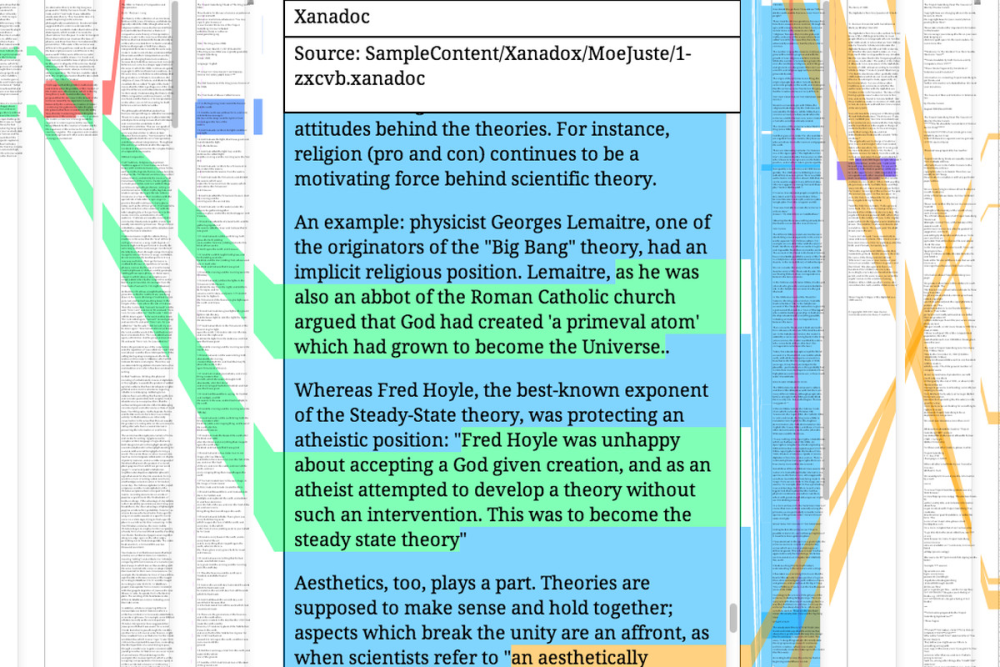
Ted Nelson coined hypertext in 1963. His Project Xanadu envisioned transclusion, documents embedding content from other documents, with two-way links and built-in attribution. The web we got is a shadow of that vision.
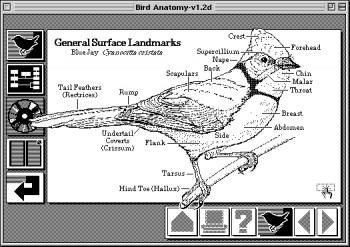
In 1987, Bill Atkinson's HyperCard brought hypertext to the masses, stacks of linked cards that anyone could author. For the first time, the tools of associative knowledge weren't just imagined, they were used.
And then the web arrived. We got one-way hyperlinks. We got databases that silo knowledge into rigid tables. Yet again we improved distribution but lost the connection. The knowledge is stranded again.